July 4, 2020
The Effect of Music on Memory, Learning and Dementia
By Maria Toro-Troconis
GPT-5.6 Sol was used for formatting and linguistic editing of this article
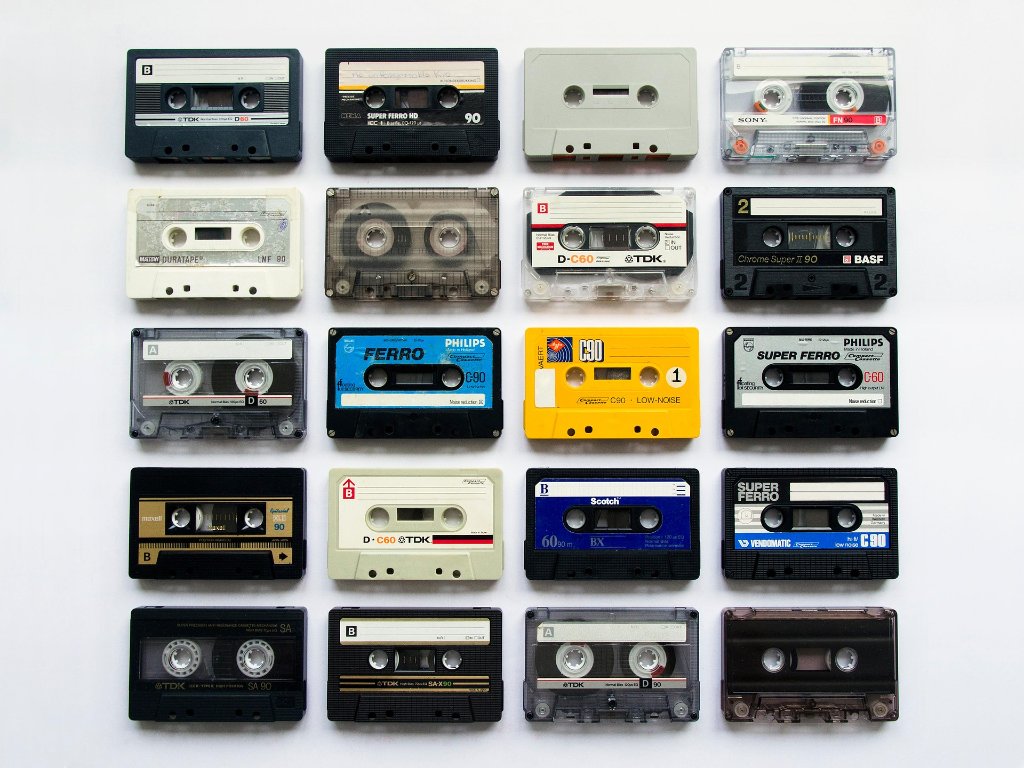
I'm sure you have experienced the magical sensation of relaxation and enjoyment when you listen to music you like, music that brings you close to good memories. The fact is that music has a profound effect on our brain.
Listening to music engages nearly every area of our brain
"If you play someone's favourite music, different parts of the brain light up." "That means memories associated with music are emotional memories, which never fade out — even in Alzheimer's patients." — Professor Kiminobu Sugaya
Music, Loneliness and Dementia
Music was a big part of my childhood. My mother loved music and we had music playing in the background all the time. Our family gatherings always involved singing and playing musical instruments.
My mother became ill with COPD many years ago back home in Venezuela. I managed to visit her and spend short periods of time with her. We used to spend time in her bedroom listening to music and talking about the memories we both associated with the tunes.
At the end of her illness in 2019, it was very difficult for us to communicate over the phone. She couldn't engage in a conversation without coughing and needing oxygen. I wished I had a way to play her music during the night when I knew she was anxious or during the morning to motivate her to get out of bed.
Soon after my mum passed away in November last year, I setup the StartUp and non-profit organisation Smart Healthy Living. Smart Healthy Living's mission is to create bespoke voice and music experiences for the elderly and isolated, tackling Dementia, loneliness and physical activity supported by Smart Voice Technology.
I identified a potential funder and brought together a team of experts in the areas of Dementia, Social Care and eHealth. We aim to evaluate the design and implementation of personalised smart voice and music solutions (such as Alexa and Google Home) for people living in isolation and living with dementia supported by informal and formal caregivers. Unfortunately, the research project has had to be put on hold due to the Covid-19 outbreak but we are looking to recommence our activities again soon.
Personalised music interventions that take the social environment into account, focusing on the person and his/her social connectedness, have been discussed in the literature as having a positive effect in Dementia care. These interventions are proven to bring positive moods and emotions, stimulating physical activity, and supporting social interaction (Peeters et al, 2016; Brotons, et al, 2003; Ashida, S, 2000).
"Music is the most "fast-acting" non-drug approach to improving the lives of all persons with dementia, Parkinson's, depression and other behavioural challenges, even for those in pain. We should always be asking, do they have their music?". — Dan Cohen, MSW Music & Memory
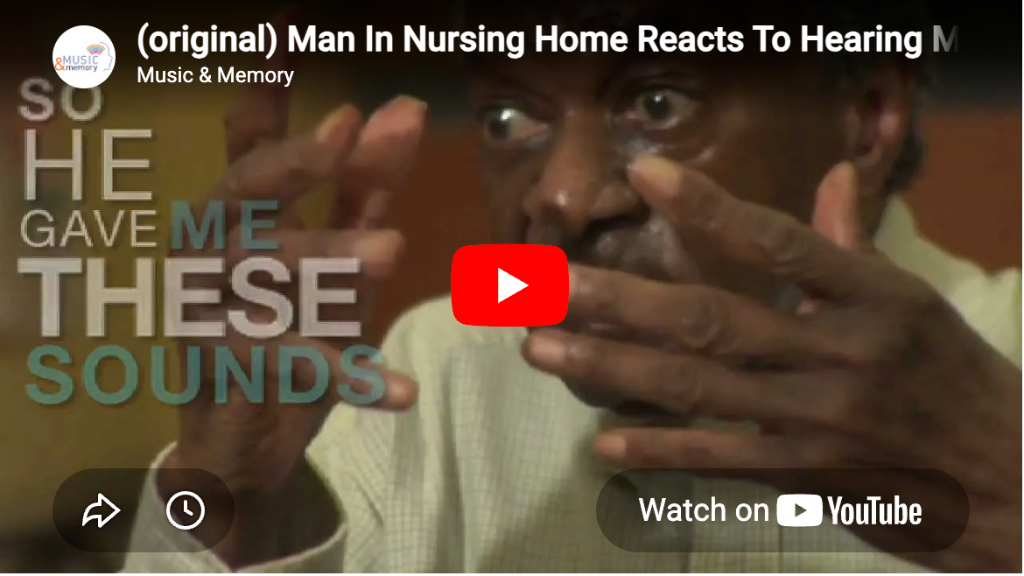
I invite you to watch the amazing moment when Henry re-connected with his environment in this video! Henry suffered from dementia for a decade and barely said a word to anyone until Music & Memory set up an iPod program at his nursing home.
Music and Learning
I can't finish this article without talking about how understanding the effect of music on our brains can influence the way we design for learning.
Long-term memories go through three stages in order to be useful: they need to be made (encoded); they need to be effectively stored (in the hippocampus and then the cortex); and they need to be retrieved. Memory with a great degree of emotional attachment are usually easily recalled. All the emotions and thoughts and sensations related to that episode create a network of links in our brains making it easier to retrieve (Dean Burnett, The Idiot Brain).
Although neural network theory (Hinton, 1992) has been regarded as following a behaviourist (Pavlov, 1927) or associationist approach models of learning (Gagné, 1985), I believe the power of engaging different areas of our brain in learning, not only for acquisition of knowledge but also for construction of knowledge (Piaget, 1970) and promotion of social interactions (Vygotsky 1978; Duffy and Cunningham, 1996), would make the learning experience more meaningful, memorable and 'human'.
Imagine engaging in a learning episode that not only guides you through readings and encourage discussions but also links the learning activities to your own personal experiences and emotions, encouraging you to share with your peers and tutor not only your understanding of the subject but also the meaning those concepts have to you as an unique individual with a single personal, social and cultural background.
Your 'Memory Bump'
Evidence suggests that we make the most memories from the ages of 10-30. This time of our lives is called 'Memory Bump'. I am sure you must have lots of happy musical memories from this time. I would encourage you to find those old CDs and create a Playlist that activates your brain and brings back loads of good memories!
If you need help finding the tunes you love, here are some tips:
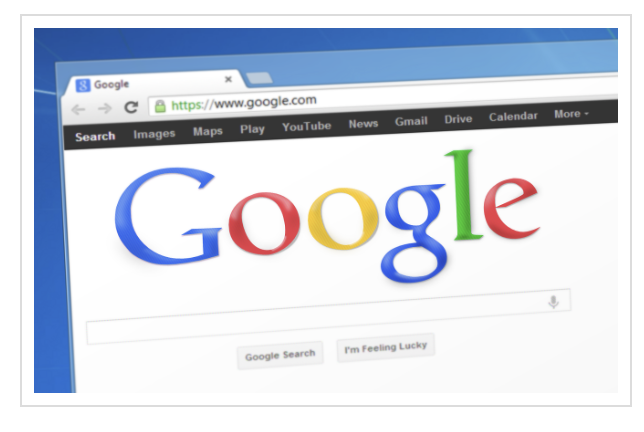
GOOGLE — If you need help remembering the name of a song, you can use Google or any other search engine to help you find it. Just type any lyrics you remember directly into Google, or other search engines, using quotation marks around your search term.

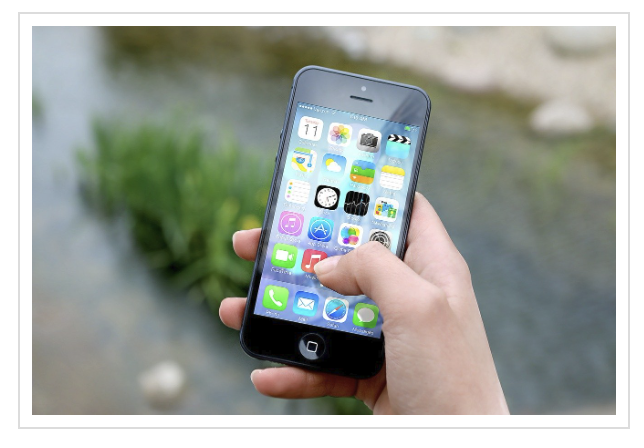
VOICE ASSISTANT — You can also use the voice assistant on your iPhone or Google Android device. Simply summon your voice assistant and ask them to tell you what song is playing.
DEEZER & SHAZAM — You can also download the App Deezer which has a song identification feature, called Song Catcher or Shazam to find the name of any song and artist in seconds.