August 5, 2023
Artificial Intelligence and the Dichotomy of Worlds: A Reflection from the Barbie Universe
By Maria Toro-Troconis
GPT-5.6 Sol was used for formatting and linguistic editing of this article
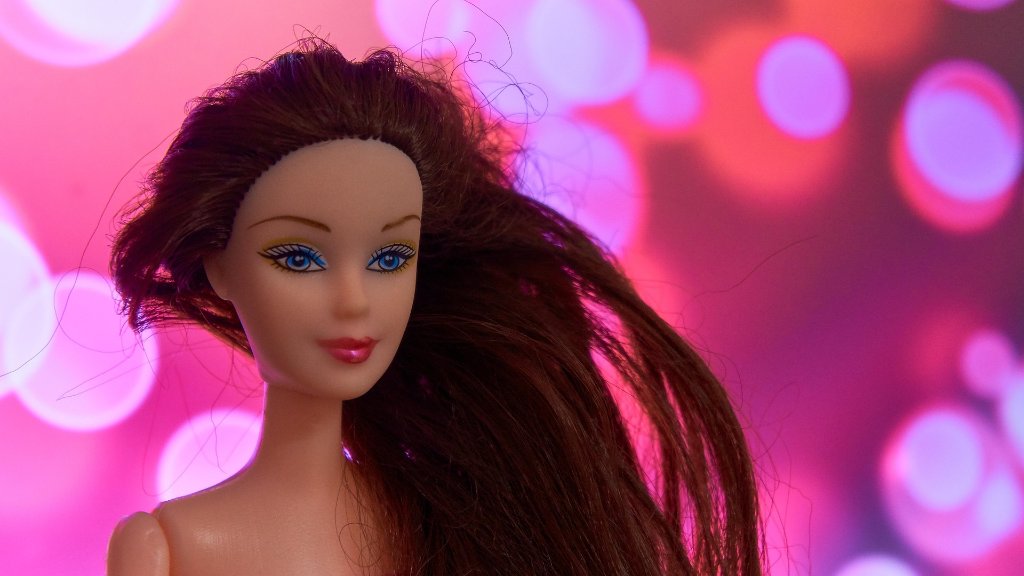
Conceptualisation of ideas and editing by Maria Toro-Troconis. Written by Chat GPT-4.
In the latest Barbie movie, the iconic character once again manages to transcend generations. But this time, the movie does something audacious — it reflects on the inherent disparities in gender roles in our world.
Barbie's Fictional World
Within the universe of Barbie's city, women, or 'Barbies', occupy a unique space. They're in the limelight, pioneering all walks of life from managing bustling metropolises to standing at the forefront of healthcare, and even campaigning for the highest political positions. This world showcases a world where women are recognised for their capabilities, leadership, and ambition.
Interestingly, in this matriarchal society, men are predominantly supporting characters, pushing the envelope on gender stereotypes and prompting viewers to consider what happens when roles are reversed.
A Reality Check
As Barbie tumbles into our reality, she's confronted with a stark difference. Throughout history, women have been marginalised, their roles and ambitions often limited by societal norms. The inequalities, evident from unequal pay to underrepresentation in leadership roles, are not lost on her. To Barbie, our world is a bewildering contrast to the one she's familiar with.
The AI Perspective
The Barbie narrative, with its parallel worlds, evokes an intriguing question about Artificial Intelligence. AIs, at their core, are defined by the data and experiences they ingest. Their understanding of our world is derived from what we teach them.
So, what if AI was to perceive our world firsthand, to "live" our experiences, and become a part of our society? Would it recognise the same disparities Barbie observed? And what kind of insights or solutions might it propose?
Furthermore, if an AI were to be fed only data from Barbie's world, its understanding would likely mirror the matriarchal society where women reign supreme. The AI would generate content, solutions, and perspectives rooted in that reality.
Generative AI: Beyond Our Imagination
Generative AIs are potent tools, capable of crafting narratives, art, or even solutions based on the data they've learned from. By immersing an AI in a specific world, we influence its perceptions and outputs. If an AI were familiar only with Barbie's world, its creations would likely center around powerful women leaders, the importance of female-led innovations, and men in supportive roles highlighting discrepancies in gender dynamics within the Barbie's world. However, if the same AI were exposed to the complexities and contradictions of our world, its outputs could be vastly different, reflecting the nuances and discrepancies of real-life gender dynamics.
In Conclusion
The latest Barbie movie, beyond being an entertaining story, underscores an important observation about gender roles. It makes us question our perceived norms and the realities we've come to accept. Moreover, by viewing these concepts through the AI lens, we're nudged to ponder upon the knowledge we impart to our machines, and in turn, the perspectives they develop. As we strive towards creating more equitable societies, it's vital to introspect on the stories we tell, both to ourselves and to the AIs we're bringing to life. After all, our narratives shape not just our present, but the future we're building.